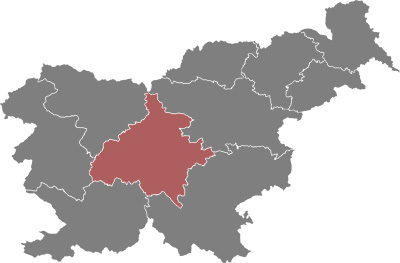
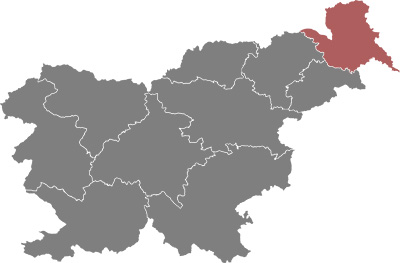
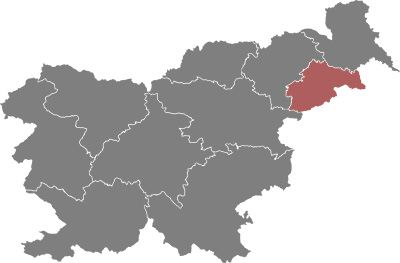
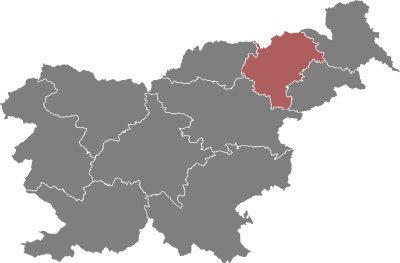
When we say the name Carinthia, a world along the Drava comes to mind; we look towards Dobrač, Obir and Peca, hear the songs of Rož, Podjuna and Zila, and when we delve into the distant past of this world, we find traces of the Illyrians, Celts and Romans, who ruled this region before the Slovenes and before Samo’s Carantania.
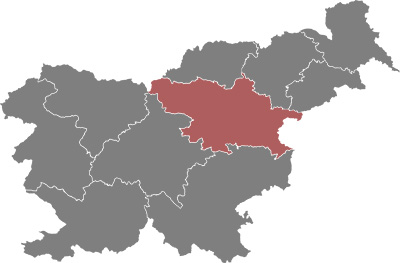
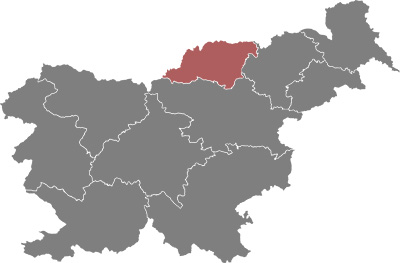
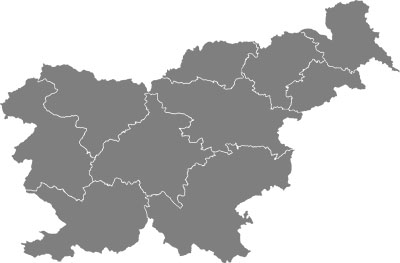
Carinthia, with Celovec, Gospa Sveta and Beljak, is part of our past. Carinthia in the 20th century, Carinthia in Slovenia, is represented by the world along the Meža, Mislinja and Drava; here rise the last peaks of the Karavanke, and the forested Pohorje reaches into the region. Almost parallel to it, on the opposite bank of the Drava, rise the steep slopes of Kozjak or Kobansko. Here, in this geographically varied landscape, the northern state border has run for eighty years; before that, natural boundaries divided the region into Carinthia and Styria.
When the Austro-Hungarian Monarchy dissolved at the end of the First World War, Črna, Mežica, Prevalje, Ravne and Dravograd were part of Carinthia, within the judicial districts of Bleiburg and Lavamünd. The places along the Drava from Muta to Vuhred made up the Marenberg (Radlje) district, while the Slovenj Gradec district extended through the Mislinja basin from Otiški Vrh to Huda luknja. At the confluence of the three rivers and in the Drava and Meža valleys, Malgaj’s and Maister’s soldiers fought for the northern border after the First World War; in Dravograd and at Poljana, soldiers died in the final battle against fascism and Nazism, and in 1991 they successfully defended the northern state border from Logar Valley, through Holmec and Vič, to Radlje, and ensured that the Yugoslav army left.
Text by: Dr Karla Oder