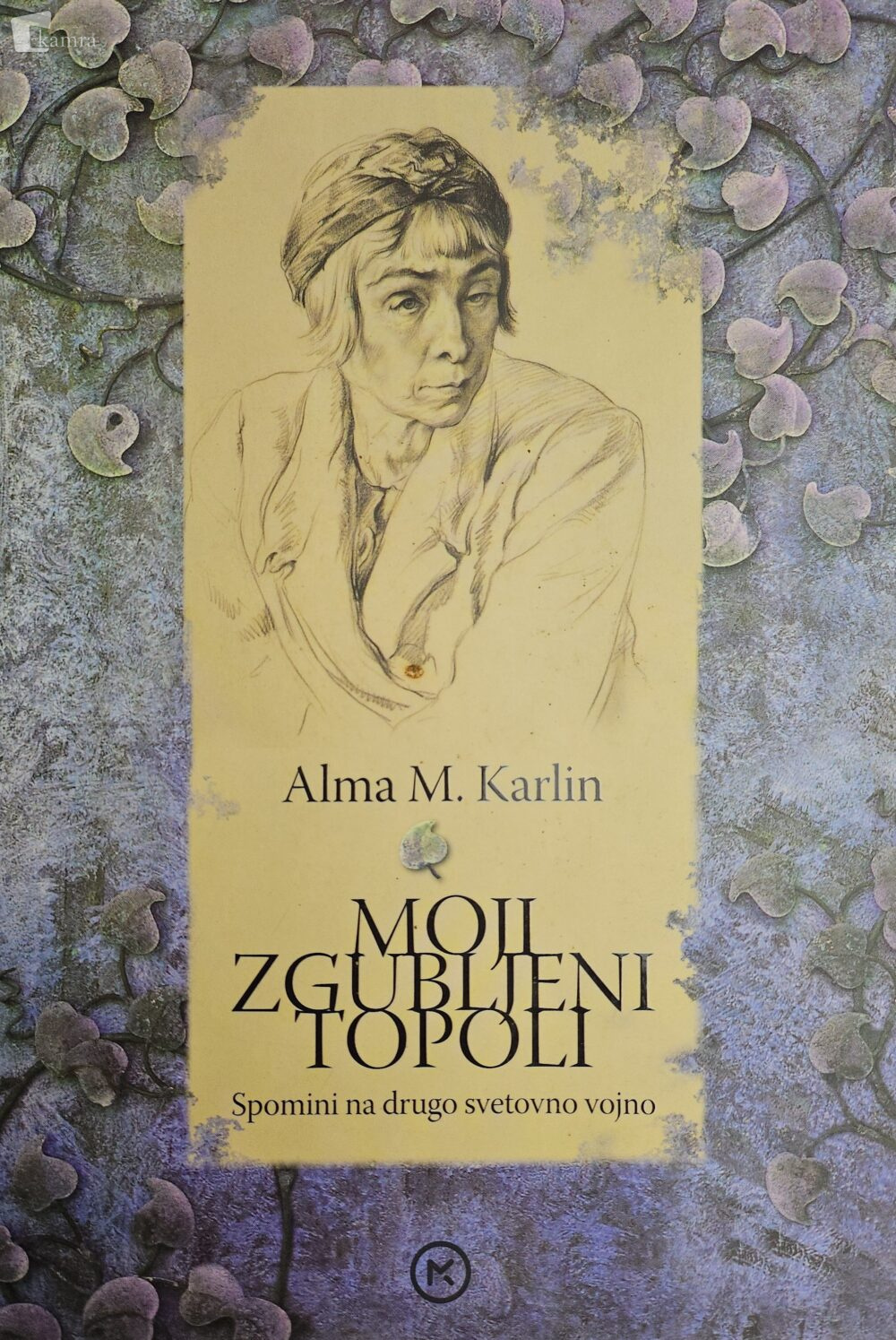

“Since at home we spoke only German and my mother worked for almost forty years as a teacher at the German school, I myself was also given a German upbringing and had contacts with German‑speaking people, and even in the house of my Slovene aunt they spoke German with me; you must not reproach me for my belonging to the German nation and for the natural fact that I have dedicated the results of my research and my achievements in the field of literature primarily to this nation. A person is the fruit of his upbringing.” These words of the increasingly appreciated Celje writer and world traveler Alma Karlin—long forgotten because of her German identity—are an apt description of Leopoldina’s identity as well.
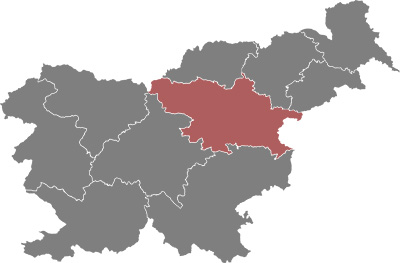
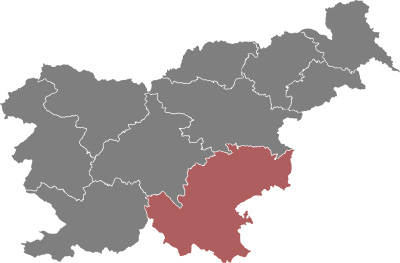
Alma Karlin’s life in wartime‑occupied Celje, described in her book “My lost poplars,” was far more dramatic than Leopoldina’s life in Kamnica. Educated and cosmopolitan, Karlin was one of the few Styrian Germans who clearly opposed the occupier and in 1944, with the help of partisans, fled to liberated territory in Bela krajina. This saved her life, but it did not spare her the fate of the Styrian Germans who remained in Yugoslavia after the war. Her property was confiscated, she lived on the margins of society until her death, and then she was silenced for forty years.