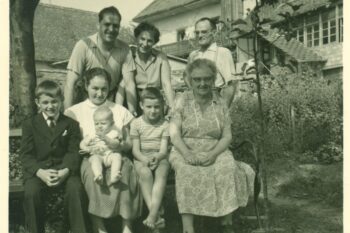
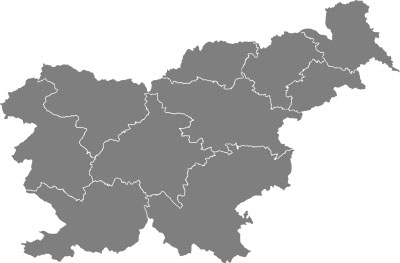
The search for my Styrian grandmother began in the autumn of 2023 and unfolded as a kind of journey across Styria and Carniola. My main companions on this path were my brother Darko, who carefully preserves the family legacy and traditions, and my friend Žarko, who patiently guided me through the labyrinth of history. During two years of archival digging and site visits, I met many excellent interlocutors on history, law, psychology, and life in the 20th century. Among them, the key source who brought my grandmother back to life for me was her ninety‑year‑old niece, Vikica. My sincere thanks to all of them.
Relatives, experts, friends, and other interlocutors with whom I had longer and/or frequent conversations or correspondence are listed below in the chronological order of our first conversation: Darko Damjan, Urša Cvilak, Renate Scherag, Bernarda Scherag, dr. Žarko Lazarevič, dr. Marta Rendla, Milivoj Stankovič, Barbara Damjan, Peter Kamien, Leopold Mikec Avberšek, dr. Tadej Cankar, Andi Brlič, Matjaž Partlič, Edi Vodenik, dr. Neža Strajnar, Jure Apih, Meta Dobnikar, Vikica Podgorelec, Maks Damjan, dr. Marko Štepec, mag. Lilijana Urlep, Milka Dobaj, dr. Jože Ramovš, Willem de Lannoy, dr. Marko Polič, mag. Nina Hriberšek Vuk, Zlatka Rashid, dr. Irena Mavrič Žižek, Matjaž Duh, s. Mira Rožanc, Sonja Grizila, Pavel Jamnik, Srečko Pavličič, Helena Drolc, Zdravko Duša, Franc Mlakar, dr. Gregor Jenuš, Mateja Malnar Štembal, Damijana Damjan, dr. Daniel Siter, dr. Albin Igličar, dr. Simon Malmenvall, Metka Damjan, dr. Alenka Šelih, dr. Ivan Čuk, Blaž Damjan. I thank all of them — and the many unnamed occasional interlocutors — for their time, trust, and knowledge.
I also sincerely thank the staff of the following institutions for access to archival material and for helping me understand both the past and the present: The Archives of the Republic of Slovenia, Institute of Contemporary History, Library of the Department of History (Faculty of Arts, University of Ljubljana), Alma Mater Europaea University Library, Museum of National Liberation Maribor, Maribor Public Library, Ljubljana City Library, National Museum of Contemporary History, Archdiocesan Archives Maribor, National and University Library, Regional Archives Maribor, Maribor Regional Museum, Slovenian School Museum, Study Centre for National Reconciliation, Land Registry Maribor, Historical Section Matej Slekovec, DPD Svoboda Kidričevo, and the Historical Archives Ptuj.
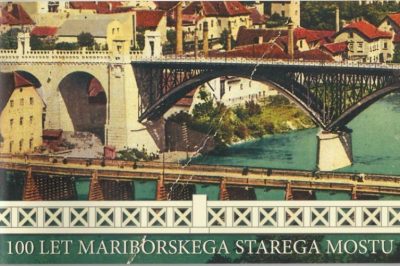
Without the help and encouragement of most of these people, I could not have completed the story of my grandmother, Leopoldina Pečar. In researching her fate, I also discovered the stories of other Styrian grandmothers and grandfathers, and the history of my city in a way I had never known it. Maribor was far from the front in both world wars, yet both ended in its immediate surroundings. Alongside heroic stories, there were also events that do not honor our ancestors — and which we still find difficult to speak about today. Silence did not erase them; only knowledge can free us from them. The streets of Maribor, where my grandmother Leopoldina once walked, have finally become my streets as well, and I love the city more than ever.
Janez Damjan, grandson of Leopoldina