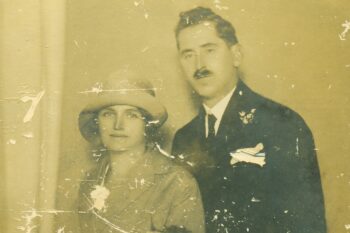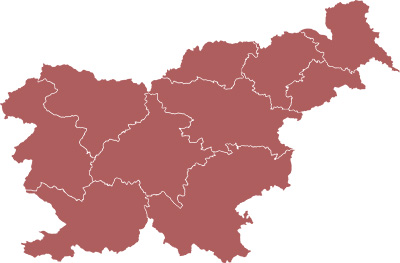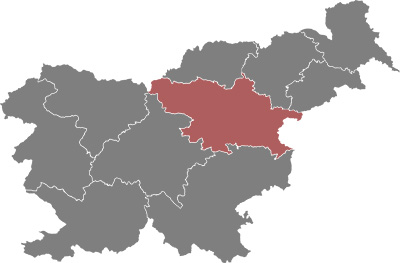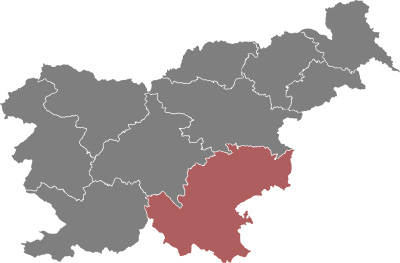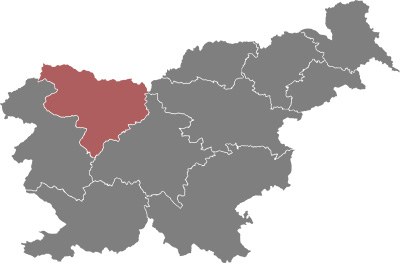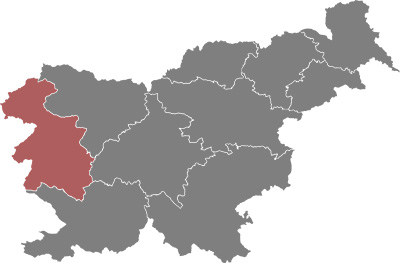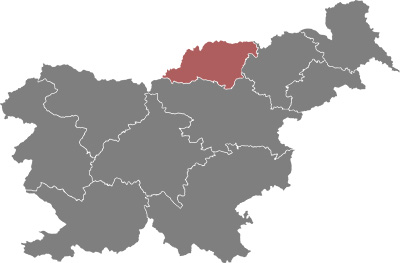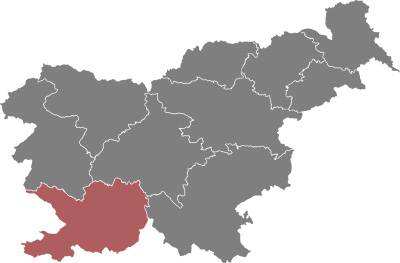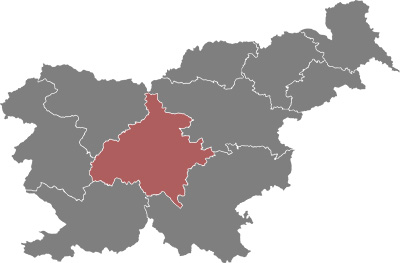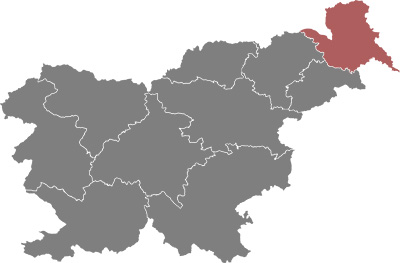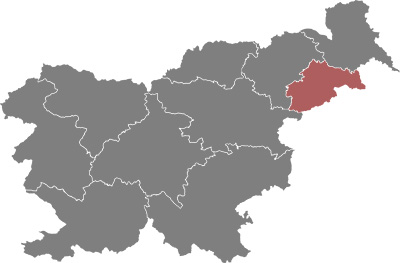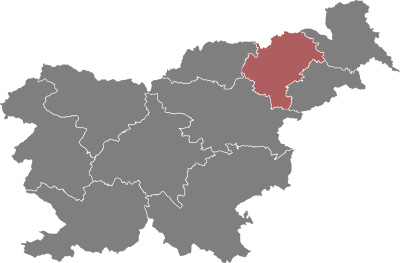

In the autumn of 1929, Leopoldina married for the second time—this time to thirty‑two‑year‑old blacksmith Bogomir Pečar from the village of Kamnica near Maribor. That same year, King Alexander I assumed dictatorial power, renamed the country the Kingdom of Yugoslavia, and divided it into nine provinces. Maribor and Styria were incorporated into the Drava Province and, for the first time, placed under Ljubljana—a city that was and remained foreign to Leopoldina and her children.
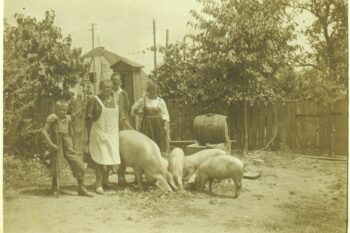
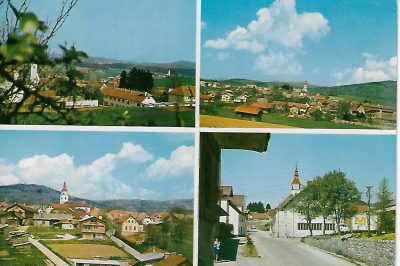
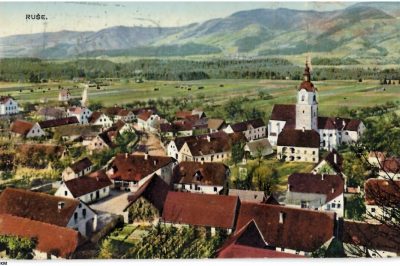
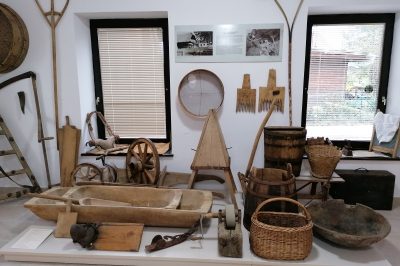
Immediately after the wedding, Leopoldina and her children moved to Kamnica, then a thriving village with no fewer than five inns. The Pečar family first lived in a handsome one‑storey house with a small farmstead directly opposite the Scherak inn, which was run by Leopoldina’s former sister‑in‑law. Leopoldina occasionally helped there, while her second husband often went there for drinks and card games. Bogomir, the son of a former mayor of Kamnica, was financially comfortable but wanted more. He expanded the house and, judging from the mortgages, invested in various ventures that failed; in 1936 he went bankrupt. The worsening economic crisis played a role, but he himself must have contributed significantly. In court file Zp 722/46 we find the following statement from a Kamnica villager, C. T.: “Her second husband did not want to work but preferred drinking. /…/ They did not get along because he was a drunkard and a spendthrift and had squandered even a previous house.” The Pečar family had the half‑hectare property in the center of the village. After the bankruptcy they kept only a larger garden and the old smithy, above which they arranged a modest living space.
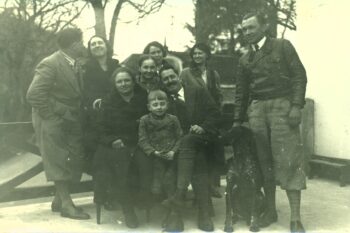
We can vividly imagine the Pečar family’s daily life from the memories of Leopoldina’s daughter Poldika: “If we didn’t eat, we were punished quite severely. I asked for forgiveness because I had to, for something that was nothing bad. Once he wanted to teach my little brother to pray, and because he didn’t know it right away, he hit him. I said, you won’t teach him like that if you beat him, and then he beat me too. Mama went through a lot, and I had already heard quite a bit… and he liked to drink. It would be too much to tell such things, because he also took care of us and bought us things that made us happy.” These events strained family relationships and also affected Leopoldina’s appearance—on photographs from this period she is modestly dressed and rarely smiling.
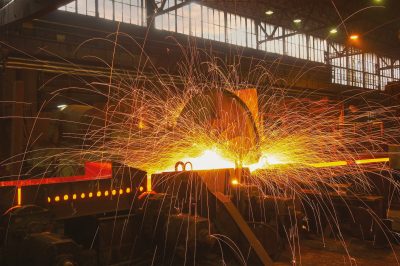
Life in the Pečar household was not the only thing unsettled. The economic and political crisis of the 1930s engulfed all of Europe. In Styria, the most influential developments came from Nazi Germany, which, after the Anschluss of Austria in March 1938, became Yugoslavia’s direct neighbour. Numerous sources state that most of the population in Maribor and its surroundings eagerly awaited the arrival of the Führer to “restore order,” and this was especially true in Kamnica. One prominent comrade wrote in a confidential post‑war assessment: “/…/ 90% of the inhabitants supported Hitler.” The parish chronicler noted that the swastika flags in Kamnica were of course long prepared.” Among the most ardent German nationalists he singled out the heavily indebted Bogomir, who left Kamnica in November 1938 to work in the steelworks and armaments factory in Kapfenberg. Just before leaving, he transferred the old smithy—the last remaining family property—into Leopoldina’s name, a decision that would prove fatal seven years later.
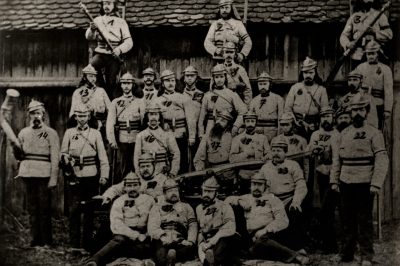
When assessing the political attitudes of the Pečar family and other residents of Kamnica at the time, it is important to consider that events across the nearby border promised less unemployment and a better life. The economic crisis in the Kingdom of Yugoslavia was worsening, and many longed for a return to the “good old imperial times.” This sentiment was fuelled by small but symbolic events—for example, the requirement that the volunteer fire brigade, after the strong centralization of the Yugoslav state, fill out reports not in their familiar Gothic script but in the recently hostile Cyrillic. For the men in the five Kamnica inns—veterans of the First World War who had served in Austrian uniforms—this was hardly amusing.