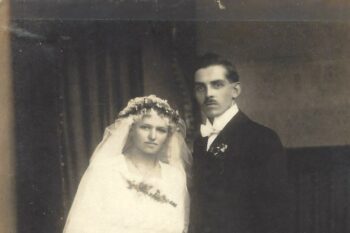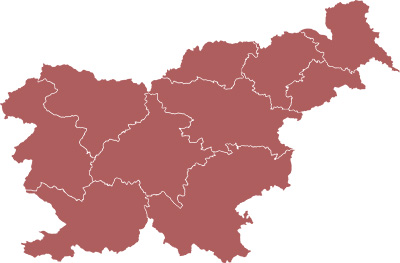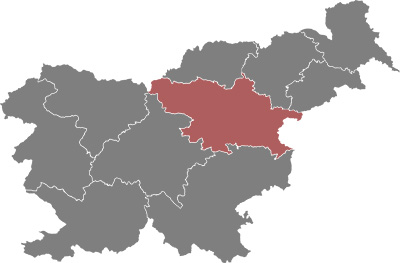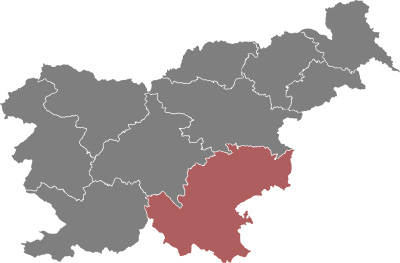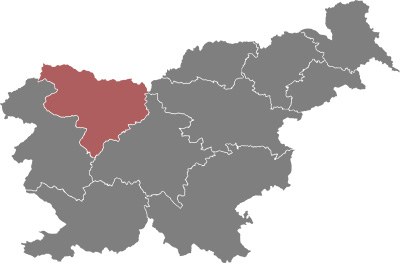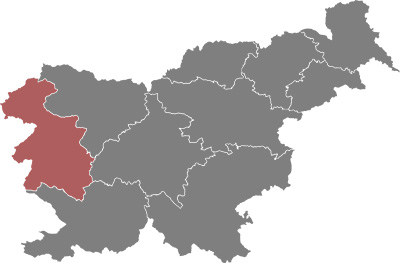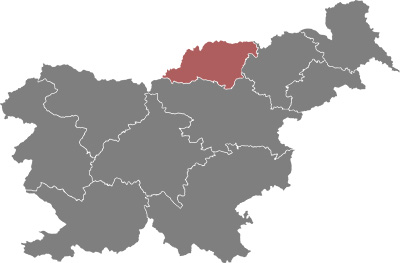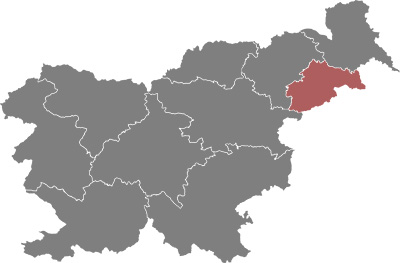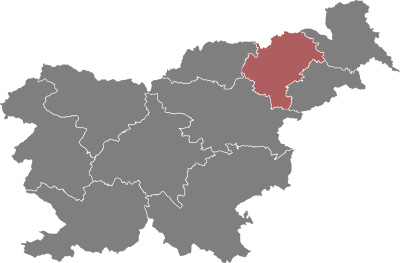

In September 1921, Leopoldine Köberl married for the first time and became Leopoldina Scherak. Two years earlier, the town of Marburg an der Drau had already been renamed Maribor. In the new state—the Kingdom of Serbs, Croats and Slovenes—it became the seat of the Maribor administrative district, which included Lower Styria, part of Carinthia, and Prekmurje. A strong German minority continued to exist in the city, and Leopoldina’s family belonged to it.
Leopoldina’s first husband came from the nearby village of Kamnica near Maribor and walked along Koroška cesta, across the Drava Bridge, to his job in the Southern Railway workshops. He had been baptized as Jochann Mathias Žerak, signed his name as Hans Scherag, and was listed in the marriage certificate as Ivan Scherak. Interestingly, after the wedding, the groom Ivan moved into the bride’s household, even though he was the eldest son of a well‑known innkeeping family. From the fact that he trained as a locksmith, we may infer that he had no desire to become an innkeeper and butcher, and such work would have been very demanding for a war invalid.
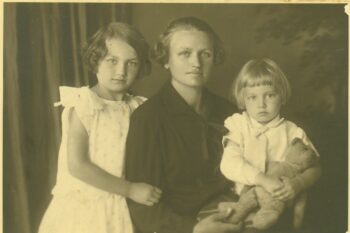
Their first child, a daughter named Leopoldina Josephina—called Poldi or Poldika—was born on 13 March 1922. Their second child, a son named Hansi, was born on 30 May 1925 and soon after birth fell ill with polio. The living conditions of the young family can be imagined from the valuation report in the inheritance file: “From the central hallway, one enters to the left the apartment of the deceased’s daughter, Leopoldina Scherak, consisting of a kitchen with one window facing the courtyard, with a built‑in stove and vaulted ceiling, and a room with two windows facing the street and an exit into the first hallway. This room has a vaulted ceiling, soft floors, and an iron stove.”
In the small house on Koroška cesta, the Scherak family lived together with Leopoldina’s mother Marija, her younger brothers Alois (Ali) and Josef (Pepi), and—according to archival documents—occasionally also other close relatives.
The young family must have had reasonably stable living conditions, as Leopoldina and Ivan, despite hard work, also received help from relatives, as their daughter Poldika later recalled. She wrote that her parents often helped in the Scherak inn and butcher’s shop in Kamnica. Ivan remained active in the volunteer fire brigade, whose members continued to use German as the command language for many years after the First World War. German was also spoken at home, so Leopoldina’s children first encountered Slovene seriously only when they started school.
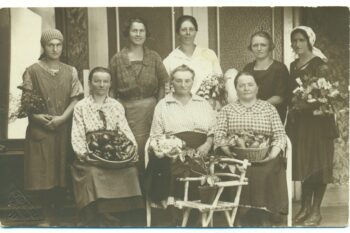
In October 1926, however, Leopoldina’s fifty‑one‑year‑old mother Marija suffered a stroke, and life in the house on Koroška cesta began to fall apart. In addition to her household duties, Leopoldina had to take over selling produce at the Maribor market, so she placed her daughter in the nearby kindergarten run by the organisation School Sisters, while her sick son was taken to Vienna to stay with her sister‑in‑law Paula Bartl and her husband, a physician. Immediately after her mother’s death, Leopoldina remained optimistic and committed herself to quickly repaying her siblings in Swiss francs, even though her mother’s will stated: “/…/ the brothers and sisters have the right to claim their inheritance from Leopoldina only five years after the mother’s death, and without interest.”
By the end of 1926, Leopoldina and Ivan likely expected an inheritance from Ivan’s late father, the owner of the Scherak inn in Kamnica, in addition to Ivan’s regular railway salary. But their plans did not come to pass, as Ivan soon fell seriously ill with tuberculosis. Despite the efforts of the railway doctor, he became bedridden in the autumn of 1928 and died in March 1929 in the family home, in the presence of his wife and seven‑year‑old daughter. At twenty‑eight, Leopoldina had become a widow with two small children.